Getting enough quality sleep is one of the most important parts of maintaining good physical and mental health. Unfortunately, many people don’t fully understand what happens while they sleep or why they still feel tired after a full night’s rest. This is where smart rings for sleep have become an increasingly popular solution. These compact wearable devices use advanced sensors to monitor sleep patterns, heart rate, movement, and recovery, providing valuable insights that help users improve their nightly rest.
How Smart Rings Monitor Your Sleep Stages
One of the biggest advantages of these wearable devices is their ability to estimate different sleep stages. By combining optical heart rate sensors, motion detection, and temperature monitoring, they analyze your body’s activity throughout the night. The collected data helps estimate when you’re awake, in light sleep, deep sleep, or REM sleep.
Heart Rate and Recovery Tracking
Modern smart rings for sleep continuously measure your heart rate while you rest, offering useful information about your body’s overnight recovery. A stable resting heart rate often indicates that your body is recovering effectively, while unexpected changes may reflect stress, fatigue, or poor-quality sleep.
Why Comfort Makes a Difference
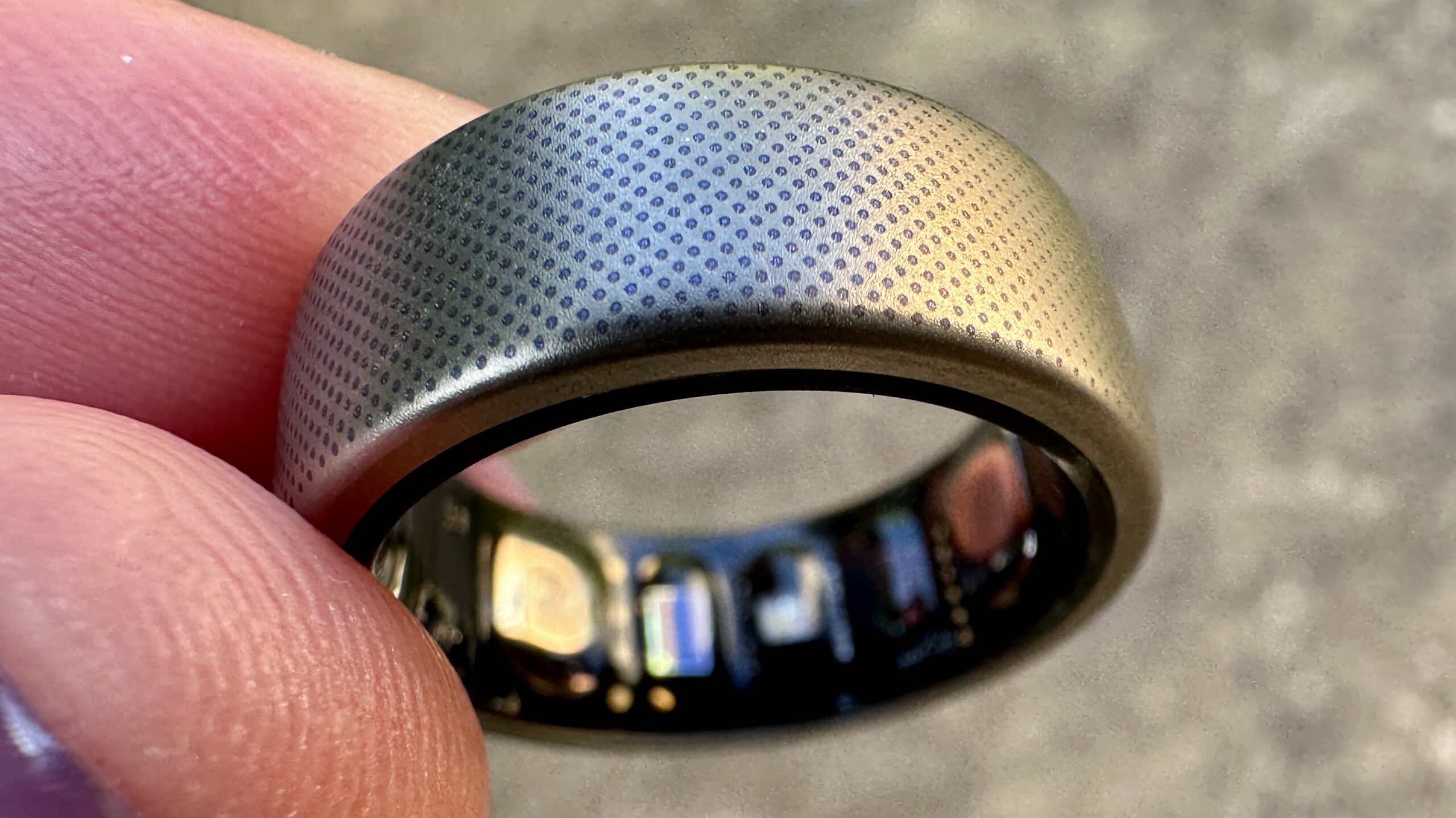
Comfort is one of the main reasons people choose a ring instead of a smartwatch for overnight monitoring. A lightweight design fits naturally on your finger, making it easy to wear throughout the night without causing discomfort. Because users are more likely to wear it consistently, the device can collect more reliable long-term sleep data.
Brands such as RingConn have become well known for combining comfortable designs with accurate health tracking, making them a popular choice among users who prioritize overnight wear and dependable performance.
Choosing the Right Sleep Tracking Ring
Selecting the right sleep tracking ring begins with understanding your personal wellness goals. Some users simply want to know how long they sleep, while others prefer detailed insights into sleep stages, recovery, readiness, and overall health trends.
When comparing different models, consider features such as:
- Accurate sleep stage monitoring
- Continuous heart rate tracking
- Heart rate variability (HRV) insights
- Blood oxygen (SpO₂) monitoring, where available
- Skin temperature tracking
- Long battery life
- Water-resistant construction
- Comfortable fit
- An easy-to-use companion app
A device with these features can provide meaningful wellness insights while remaining convenient enough for everyday use.
Battery Life and Long-Term Benefits
Battery life is another important factor when choosing a wearable device. A ring that lasts several days between charges allows uninterrupted sleep monitoring and helps build more accurate long-term trends. A well-designed mobile app also makes it easier to review sleep scores, recovery data, and personalized recommendations.
Final Thoughts
Smart rings for sleep offer a convenient and effective way to understand your sleep habits and improve your overall well-being. By tracking sleep stages, heart rate, recovery, and other important health metrics, these compact devices provide valuable insights that can help you make smarter lifestyle choices.
Choosing the right sleep tracking ring means selecting a device that combines accurate monitoring, long battery life, all-night comfort, and an intuitive mobile app. As wearable technology continues to evolve, smart rings are becoming an excellent choice for anyone looking to enjoy better sleep, faster recovery, and healthier daily routines.