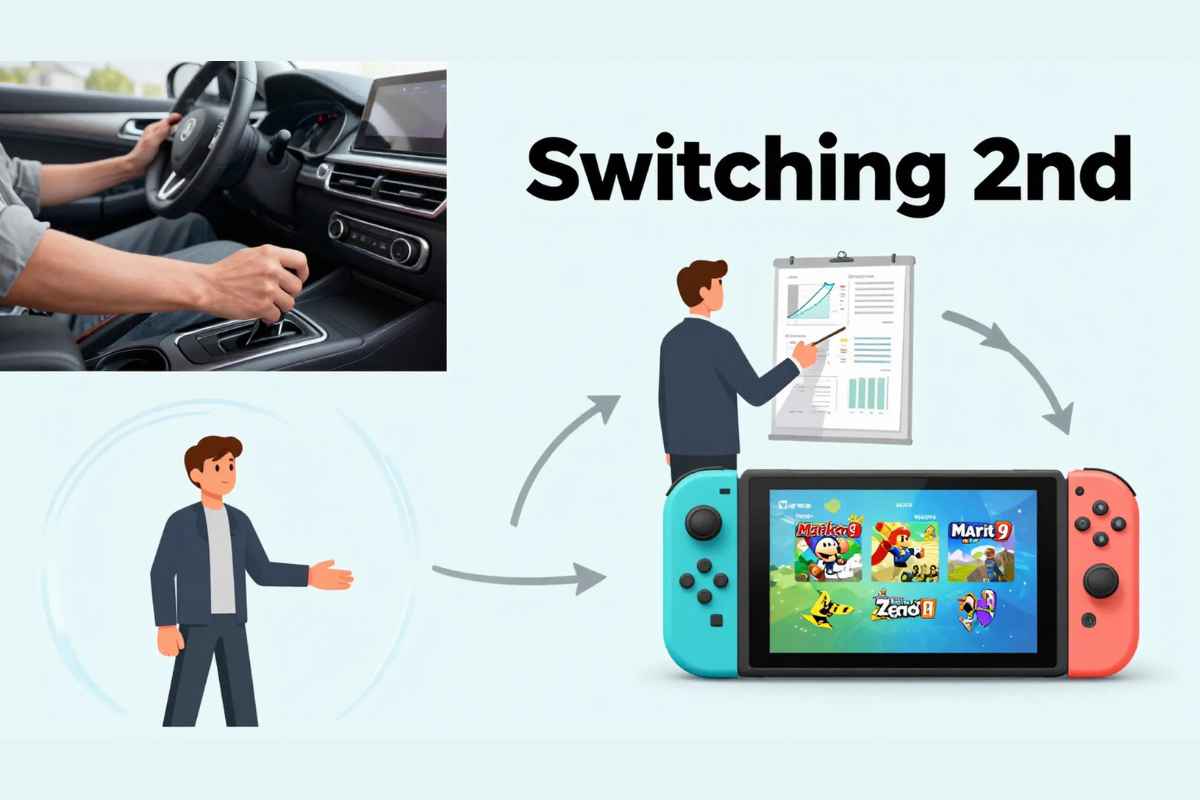
Switching 2nd is a concept that applies to more than just vehicles; it’s about timing, momentum and making smart transitions in life, career or even gaming.
Whether you’re driving a manual car, navigating a career pivot or upgrading to a 2nd generation Nintendo Switch, understanding when and how to switch to a “second gear” can significantly improve efficiency and results.
In this guide, we’ll explore the literal, metaphorical and technical aspects of switching 2nd, offering actionable tips, expert insights and real-world examples to help you master this skill.
Understanding the Concept of Switching 2nd
Literal Meaning in Driving
Switching 2nd in driving refers to moving from first to second gear, usually around 10–15 mph. This shift allows:
- Balanced torque and acceleration
- Prevention of wheel spin on slick surfaces
- Smooth, sustainable momentum
Proper timing and smooth clutch release are crucial to avoid jerky transitions. Experienced drivers use engine RPM cues (around 2000–3000 RPM) to know when to shift.
Figurative Meaning in Life and Career
In life and career, switching 2nd is a metaphor for pivoting from a failing approach to a second, more effective option. Key benefits include:
- Building momentum without burnout
- Adapting to challenges with resilience
- Unlocking new opportunities
Examples:
- Twitter began as Odeo (podcasting) before pivoting to microblogging.
- Airbnb transitioned from air mattresses at conferences to a global travel platform.
Application in Physical Therapy and Athletics
Switching 2nd also applies to physical skills, especially in rehabilitation or athletic performance. By optimizing the kinetic chain, controlled transitions allow:
- Smooth movement and reduced risk of injury
- Progressive loading for strength building
- Better coordination and fluid motion
Athletes often use phased training, similar to shifting gears, to build endurance and power without strain.
Gaming and Nintendo Switch 2 Context
In gaming, switching 2nd refers to upgrading or shifting strategies, often tied to the 2nd generation Nintendo Switch. Benefits include:
- Access to high-performance games and better graphics
- Utilizing 2nd-hand games for cost efficiency
- Compatibility with new features like 4K output or faster processing
Popular 2nd gen titles include The Legend of Zelda: Tears of the Kingdom and Skullgirls 2nd Encore.
Techniques for Making Smooth Transitions
Driving Tips for Switching 2nd
- Fully depress the clutch before shifting
- Match RPM to gear for smooth acceleration
- Ease off the gas gradually to prevent engine strain
- Practice in low-risk areas, like empty lots
Life and Career Transitions
- Self-Reflection: Identify areas of stagnation or inefficiency
- Goal Setting: Define what success looks like in the next phase
- Incremental Progress: Make small, manageable changes
- Adaptive Learning: Adjust based on feedback and results
Example: A marketer pivoting from traditional ads to digital campaigns gradually scaled campaigns while monitoring ROI.
Physical Skills and Athletic Performance
- Progressive Loading: Gradually increase difficulty in exercises
- Controlled Movement: Focus on smooth transitions in motion
- Monitoring Form: Avoid injuries by tracking body alignment
- Recovery Planning: Ensure adequate rest between sessions
Gaming and Hardware
- Upgrade to 2nd generation Nintendo Switch for enhanced features
- Buy 2nd-hand games to explore popular titles affordably
- Maintain game libraries to maximize compatibility between gen 1 and 2
- Plan upgrades strategically, balancing budget and performance
Identifying What Needs to Be Changed
- Recognize signs of stalling in personal or professional life
- Evaluate alignment between current actions and long-term goals
- Collect feedback from peers, mentors or coaches
- Identify specific habits, processes or tools requiring adjustment
Overcoming Challenges and Resistance
- Accept fear and discomfort as natural during transitions
- Break down large changes into small, manageable steps
- Surround yourself with supportive individuals
- Track progress and celebrate incremental successes
Benefits of Embracing Switching 2nd
- Builds sustainable momentum across life, work and hobbies
- Enhances resilience and adaptability
- Encourages creative solutions and innovative thinking
- Improves performance in driving, sports and gaming
- Unlocks new opportunities by embracing change strategically
Common Mistakes and How to Avoid Them
| Mistake | How to Avoid |
| Rushing the transition | Practice gradually and monitor signals |
| Ignoring feedback | Listen to engine sounds, market cues or body alignment |
| Over-reliance on first gear | Always prepare a backup plan or alternative approach |
| Misaligned goals | Reassess priorities regularly to ensure proper direction |
Mastering the Timing of Switching 2nd
- Driving: Shift at 2000–3000 RPM for smooth acceleration
- Career & Life: Pivot when growth stalls or first plan fails
- Physical Skills: Adjust load and intensity incrementally
- Gaming: Upgrade hardware or strategy when performance limits are reached
Real-life example: A cyclist shifting to second gear on a hill avoids fatigue while building consistent speed.
Step-by-Step Action Plan
- Assess Current Gear: Identify where you’re stalled or inefficient
- Explore Alternatives: Brainstorm second options in life, career or gaming
- Practice Incrementally: Start small, learn from each transition
- Seek Feedback: Use mentors, coaches or peers to refine your approach
- Track Progress: Adjust strategies as needed and celebrate wins
Advanced Applications
- Combine literal and metaphorical switching 2nd for holistic growth
- Use the concept for long-term career planning or athletic training
- Case studies: Twitter, Airbnb, Netflix and other successful pivots
- Technical insights: Incorporate smart devices, 2nd gen Switch features or optimized workflows
Conclusion
Mastering switching 2nd is more than a driving technique; it’s a versatile skill for life, career, fitness and gaming.
By understanding timing, practicing incremental changes and embracing feedback, you can move forward with momentum, reduce setbacks and maximize opportunities.
Whether you’re shifting gears on a car, pivoting in your career or upgrading your gaming setup, applying the principles of switching 2nd will give you control, confidence and lasting success.
FAQs
What is switching 2nd?
Switching 2nd is moving from a first option to a second, whether in driving, life or gaming, to improve efficiency and performance.
Is switching 2nd safe for beginners?
Yes, as long as you practice in controlled settings—empty lots for driving, small steps in career or beginner-friendly exercises in sports.
How does switching 2nd improve professional growth?
It allows you to pivot from failing strategies to better alternatives, saving resources and creating sustainable momentum in your career.
How does it help athletes and physical therapy patients?
It optimizes the kinetic chain, allowing smoother motion, gradual strength building and reduced risk of injury.
Why start in second gear sometimes?
Second gear balances torque and speed, preventing wheel spin on slick surfaces and creating sustainable acceleration in both driving and metaphorical applications.
Can switching 2nd help in gaming and hardware upgrades?
Yes. Upgrading to the 2nd generation Nintendo Switch or strategically shifting to 2nd-hand games enhances performance, graphics and gameplay experience.